
Science and innovation
for the protection of the environment
Interdisciplinary solutions to deal with climate change and biodiversity conservation
Achievements
European congress of Genetics of Fungi 2025
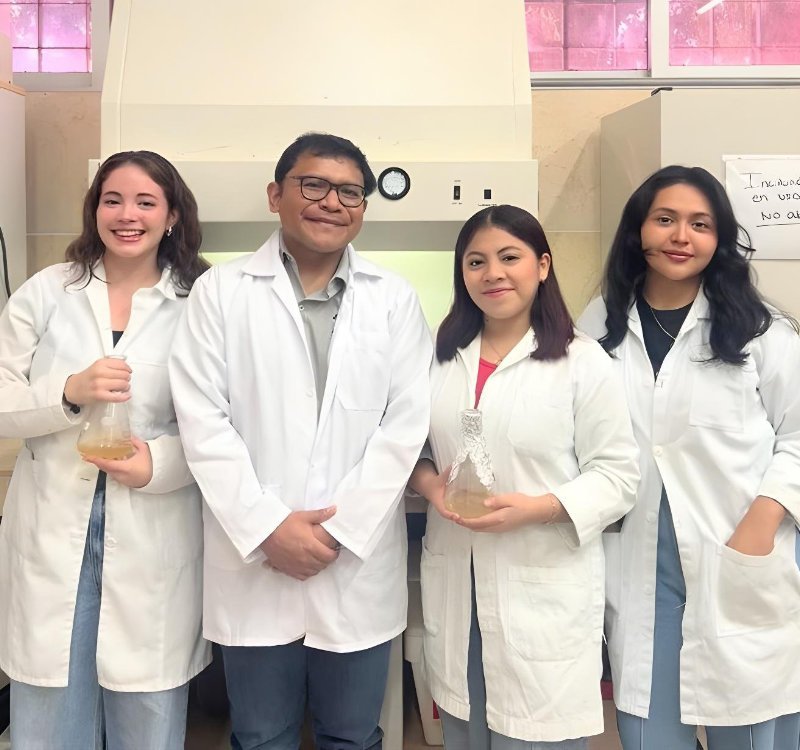
During the European congress of Genetics of Fungi held in Dublin, Ireland presented three papers developed by Exinnes Lab, advised by Dr. Denis Magaña Ortiz. The research formed part of an international meeting which brought together more than a thousand jobs in applied biotechnology.
One of the presented papers received the award Best Oral Presentation. The work creditor of the award was the research that proposes a solution to deal cooking oil burned, a highly toxic residue.
The project demonstrated that the strain secure laboratory, Aspergillus foetidus, you can degrade this waste and transform it into organic compounds useful for agriculture, without causing environmental damage. The process is currently in the phase of scaling with bioreactor pilot.
For the future of the Planet
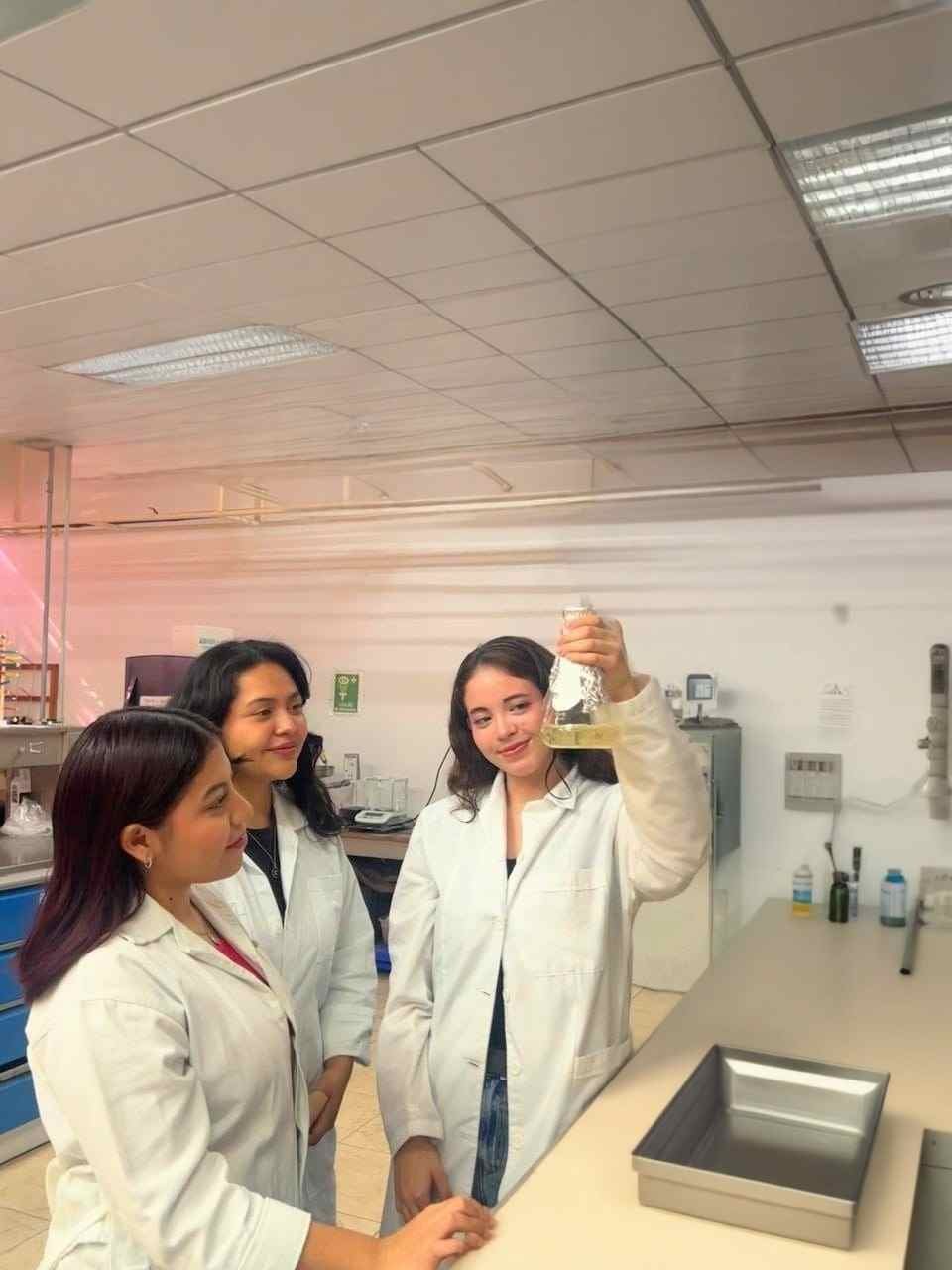
We are an interdisciplinary group that seeks to innovative solutions to environmental problems that affect day-to-day integrity of ecosystems, biodiversity and the health of living beings.
We propose the use of technological tools and scientific knowledge, for the reduction of environmental impact of human activity, as well as the use of natural resources with a sustainable approach.
The laboratory is led by the Dr. Denis Magaña-Ortiz, researcher-professor at the Tecnológico Nacional de México/Tecnológico de Mérida from 2017. (See Profile).
Objectives
Academic collaboration
We encourage linkages with regional and international, through academic collaboration, to strengthen the research and development environment.
Training and Consultancy
We provide training and advice to people interested in the engineering of environmental processes.
Academic mobility
We promote the mobility of students and teachers who want to learn about the problematic ecosystem and to look for solutions together.
Welcome!
If you are a student or teacher, we invite you to be part of our academic stays in the Yucatan Peninsula.
Main Projects
The lines of research in which we work are:
- Biotechnology
- Bioremediation
- Biological Control
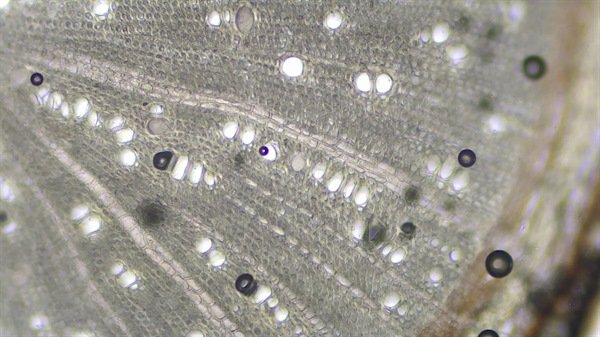
Inactivation of oil burned for cooking and domestic restaurants.
The re-use, and poor disposal of used vegetable oil is a serious problem for human health and the quality of water and soil, and therefore, in our research we propose the use of microorganisms for the consumption and utilization of nutrients present in this residue. From the good results obtained, this project is in the phase of scaling.
Determination of the biological activity of plants as a fungicide.
Microbial resistance to antibiotics and fungicides represents a serious problem worldwide, it is estimated that the lack of new antimicrobials is one of the leading causes of mortality in 2050. In addition, the emergence of new strains of fungi affects the productivity and the conservation of food. Our line of research uses native plants with sustainable approach for the control of infections caused by fungi as well as the decrease of the presence of fungi in food storage.
Biological Control of pests
The indiscriminate application of insecticides results in the loss of biodiversity and pollution of water and soil, which also constitutes a risk in vulnerable populations. In this line of research are used extracts of native plants and beneficial fungi to reduce the population of mites and midges white among other pests that negatively impact the food sovereignty of communities
Recent Publications
Diversity and use of stingless bees in Mexico
Arturo Angel-HernándezSocorro Morales-FloresElizabeth Lion-GarcíaJorge Erick Ruiz-NietoDenis Ismael Magaña-Ortiz See more >>
Repellent effect of the ethanolic extract of balche...
Denis Magaña-Ortiz+Diana Perez-CuáAlejandra Sources-BolivarCarol Cervantes-BastoGabriel Lizama-UcSusana Rincon-ArriagaSacnicte Tum-RodriguezJazbek Martinez-ContrerasEsaú Ruiz-Sanchez. See more >>
White‐rot fungus Phlebia floridensis ITM 12...
Magaña‐Ortiz, D., López‐Castillo, L. M., & Amezquita‐Novelo, R. (2024). White‐rot fungus Phlebia floridensis ITM 12: Laccase production, oxidoreductase profile, and hydrogen‐peroxide independent activity. Journal of Basic Microbiology, 64(1), 106-118. See more >>
Protein extract of Bromeliad karatas...
Ávalos-Flores, E., López-Castillo, L. M., Wielsch, N., Hupfer, Y., Winkler, R., & Magaña-Ortiz, D. (2022). Protein extract of Bromeliad karatas L. rich in cysteine proteases (ananain-and bromelain-like) have antibacterial activity against foodborne pathogens Listeria monocytogenes and Salmonella Typhimurium. Folia Microbiologica, 67(1), 1-13. -118. See more >>
EFFECT IN NLP GENE EXPRESSION IN Phytophthora capsici ...
Hernández-Cisneros, G. A., Lizama,-Uc, G., Solis-Pereira, S. E., Rivera-Muñoz, G., Moo-Huchim, V., Magaña-Ortiz, D. I., ... & Rodriguez-Avila, N. (2024). EFFECT IN NLP GENE EXPRESSION IN Phytophthora capsici DURING INTERACTION WITH Capsicum chinense SPRAYED WITH 2-CHOLOROETHYL HEART ACID. Tropical and Subtropical Agroecosystems, 27(2). See more >>
Establishment of the colloidal chitin enzymatic ...
Rivera-Solis, R. A., Granados-Baeza, M. J., Solís-Pereira, S. E., Lizama,-Uc, G., Magaña-Ortiz, D., Sánchez-González, M. N., ... & Rivera-Muñoz, G. (2023). Establishment of the colloidal chitin enzymatic hydrolysis conditions to obtain N-acetyl glucosamine. Frontiers in Sustainable Food Systems, 7, 1077429.
Contributors

Dr. Denis Magaña Ortiz
Head of the Laboratory
The Dr. Denis Magaña Ortiz is researcher and professor at the Tecnológico Nacional de México/Tecnológico de Mérida. Is engineer biochemist by the Tecnológico de Mérida and has an master's degree and a phd science specialty in Plant Biotechnology by the Cinvestav Unit Irapuato.
2016 to 2023 received the distinction of Level 1 in the National System of Researchers (SNI). Currently, it has the Level 2 the National System of Researchers and Researchers (SNII) for the period 2024-2028.
Has developed two patents were in force granted by the PTOin addition to publishing 16 scientific articles and two books on international publishers. Their lines of research include the analysis of DNA in plants, bees and microorganisms, as well as biotechnological applications in health and the environment.
His research focus is the development of innovative solutions to environmental problemspromoting the conservation responsible for the biotic resources. In addition, he is interested in the interaction between community, government and civil society for the preservation of natural resources and the protection of cultural property of the native communities of Mexico.


La Abeja Guardiana
(The Bee Keeper)
The Bee Keeper is a project that arises from a interdisciplinary group students of environmental engineering at the Tecnológico de Mérida, biologists, researchers, scientists, and artists collaborative stakeholders in order to disseminate the importance and care of the bees.
I think in 2018, and takes its name from the bees in charge of taking care of the hive in several species of pollinators, such as in the genus Melipona.
The Bee Keeper has as its point of reference the preservation of the species Melipona beecheii at the risk of extinction by deforestation, pollution and over-exploitation of this valuable natural and cultural resources. To do this it has established hives for teaching and teaches workshops for the public.

Our Location
The laboratory and nodal center of research is the city of Merida, Mexico. In a privileged environment with the best in services and transport systems, as well as public safety.
The beach the nearest is the port of Progreso, 30 km, in the surroundings there are historic buildings from the colonial period, as well as numerous cultural and artistic activities.
The selva maya home to the second lung of America, after the Amazon, with a wealth of biodiversity and ecosystems only.
The archaeological wonders of Chichen Itza, Uxmal and Ek Balam are less than 3 hours of road trip.
Tourist places as Cancun, Playa del Carmen are less than a day of travel.
Contact
Collaborate with us
We are open to collaborate with researchers, students, academics, and professionals from all over the world, share our commitment to science and innovation, for the care of the environment.
If you are interested in joining our project, to make a academic stay or to explore opportunities for linking, please contact us.
Together we can develop solutions to the environmental challenges that we face.

 EN
EN  ES_MX
ES_MX 